Salt is the quiet hero of every great meal. When it’s natural salt, the magic goes even further. It sharpens flavors, deepens aromas, and brings balance to every bite while naturally carrying trace minerals that support everyday nutrition. From elevating home-cooked meals to refining professional recipes, natural salt works behind the scenes to make food taste richer, cleaner, and more satisfying. As more people choose wholesome ingredients, natural salt continues to stand out as a simple upgrade that delivers both bold flavor and natural goodness.
What Is Natural Salt?
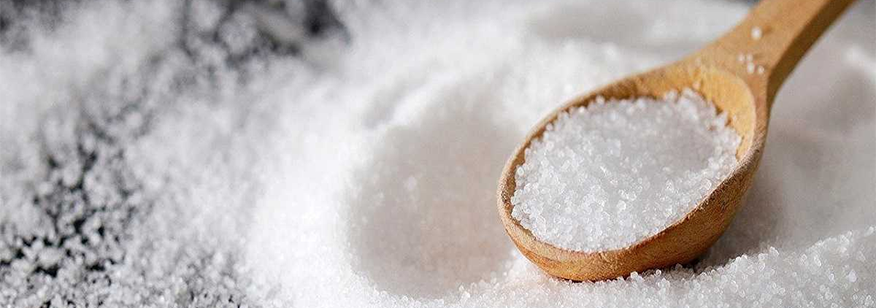
Natural salt is minimally processed salt sourced directly from nature like sea water, ancient salt mines, or underground rock formations. It retains naturally occurring minerals and lacks artificial additives, making it a preferred choice for those seeking purity, authenticity, and enhanced taste in everyday cooking.
Sea Salt
Sea salt is harvested by evaporating seawater. It has a clean, fresh taste and a light mineral profile that works beautifully in cooking, baking, and finishing dishes.
Himalayan Pink Salt
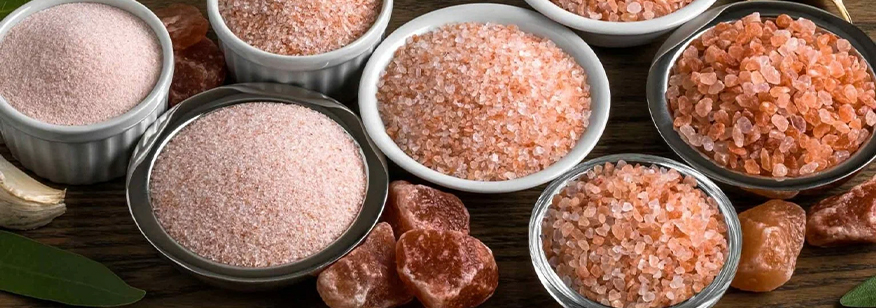
Himalayan pink salt is mined from ancient salt deposits and is known for its pink hue and trace minerals. It offers a mild, rounded flavor ideal for daily use.
Rock Salt
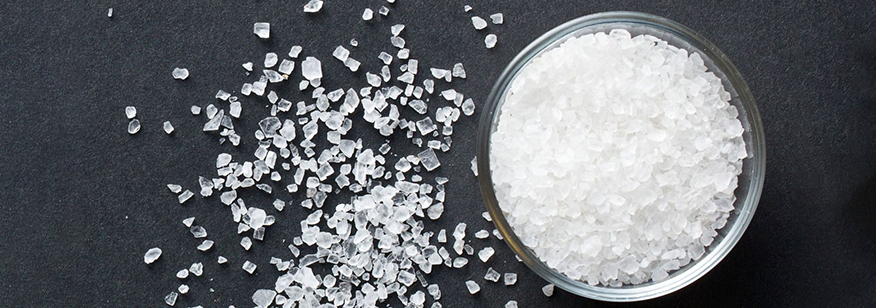
Rock salt is a coarse, unrefined salt extracted from underground mines. It’s commonly used in cooking, food preservation, and traditional remedies across many cultures.
Celtic Salt
Celtic salt is hand-harvested from coastal regions and retains natural moisture. Its slightly briny taste and mineral richness make it popular among health-conscious cooks.
How Natural Salt Enhances Food Flavor
1. Improves Taste Balance
Natural salt balances sweetness, reduces bitterness, and enhances overall harmony in food, allowing individual ingredients to shine without overpowering the dish.
2. Enhances Texture and Mouthfeel
Coarse natural salts add subtle crunch and improve texture, especially in roasted vegetables, grilled meats, and fresh salads.
3. Boosts Natural Umami
Natural salt intensifies umami, the savory depth found in foods like tomatoes, mushrooms, and meats, making dishes taste fuller and more satisfying.
Nutritional Benefits of Natural Salt
1. Contains Essential Trace Minerals
Natural salt contains small amounts of minerals like magnesium, calcium, and potassium that support overall wellness and contribute to its complex flavor.
2. Supports Electrolyte Balance
These minerals help maintain fluid balance and nerve function, making natural salt a supportive addition to an active, balanced lifestyle.
3. Aids Digestion
Natural salt can stimulate digestive enzymes and stomach acid production, helping the body break down food more efficiently.
Natural Salt vs Refined Table Salt
Refined table salt is heavily processed, stripped of minerals, and often mixed with anti-caking agents. Natural salt, on the other hand, remains closer to its original form. It offers a richer taste, fewer additives, and trace minerals that refined salt lacks. While both contain sodium, natural salt provides flavor complexity, meaning you often use less to achieve better taste.
How to Use Natural Salt in Everyday Cooking
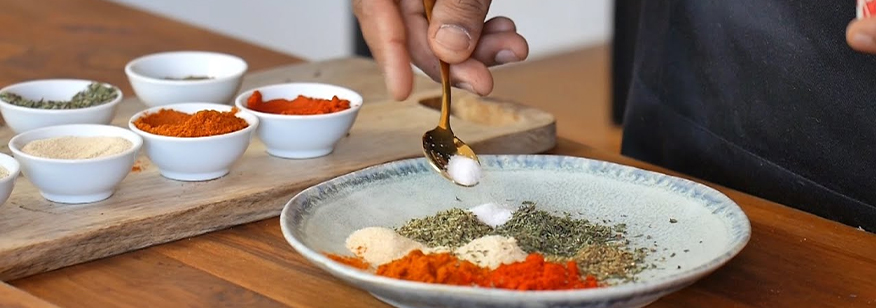
Natural salt fits effortlessly into daily cooking, turning simple steps into flavorful moments with just a thoughtful pinch. Its texture and flavor make even simple meals taste thoughtfully prepared.
- Season dishes early to build deep, well-rounded flavor
- Rub onto meats before grilling or roasting for better texture
- Sprinkle over vegetables to enhance natural sweetness
- Use coarse crystals as a finishing touch for crunch
- Pair different natural salts with specific recipes for best results
Moderation and Health Considerations
Great flavor doesn’t require excess, natural salt works best when used with balance and intention.
- Use natural salt mindfully to enhance flavor, not overpower it
- Choose quality over quantity for better taste control
- Balance salty foods with fresh vegetables and whole ingredients
- Stay aware of overall daily sodium intake
- Enjoy natural salt as part of a well-rounded, conscious diet
Why Natural Salt Is Gaining Popularity
From home kitchens to professional food brands, natural salt is quickly becoming the preferred choice for cleaner, more flavorful cooking.
- Fits perfectly into clean-label and natural food trends
- Appeals to health-conscious home cooks and chefs
- Offers richer taste with minimal processing
- Aligns with traditional and artisanal cooking methods
- Supports mindful eating without compromising flavor
FAQs: Curious About Natural Salt? Let’s Clear Things Up
1. Is natural salt healthier than regular table salt?
Natural salt isn’t sodium-free, but it’s less processed and contains trace minerals. Many people prefer it because it delivers better flavor, encouraging mindful use rather than over-salting food.
2. Does Himalayan pink salt really have minerals?
Yes, Himalayan pink salt contains trace minerals like magnesium, potassium, and calcium. While amounts are small, they contribute to both its color and subtly layered taste.
3. Can natural salt improve digestion?
Natural salt may support digestion by helping activate digestive enzymes and stomach acids. When used in moderation, it can complement a balanced, whole-food diet.
4. Is sea salt lower in sodium than table salt?
By weight, sodium content is similar. However, sea salt crystals are often larger, so you may use slightly less, which can reduce overall sodium intake.
5. Which natural salt is best for cooking?
It depends on preference. Himalayan pink salt works well for daily cooking, sea salt suits finishing dishes, and rock salt is ideal for traditional recipes and preservation.