Salt is a staple ingredient in every kitchen, but not all salts are created equal. Among the most commonly compared varieties are white salt (refined table salt) and white rock salt (natural crystal salt). While both serve the same basic purpose—enhancing flavor—their differences in processing, texture, taste, and applications make each suitable for specific uses. In this article, we’ll break down the key differences using high-volume keywords like white salt vs rock salt, table salt vs rock salt, and best salt for cooking.
What Is White Salt?
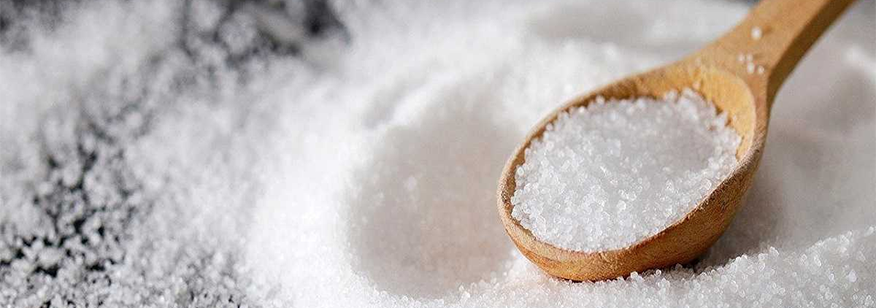
White salt, commonly known as refined table salt, is highly processed to remove impurities and minerals. It is typically fine-grained and often fortified with iodine, making it a popular choice for daily consumption. Anti-caking agents are also added to prevent clumping, ensuring smooth pouring and consistent texture.
This type of salt dissolves quickly, making it ideal for cooking, baking, and seasoning. Keywords like refined salt benefits, iodized table salt, and best salt for daily use highlight its widespread use. However, due to its processing, it lacks the natural minerals found in less refined salts.
What Is White Rock Salt?
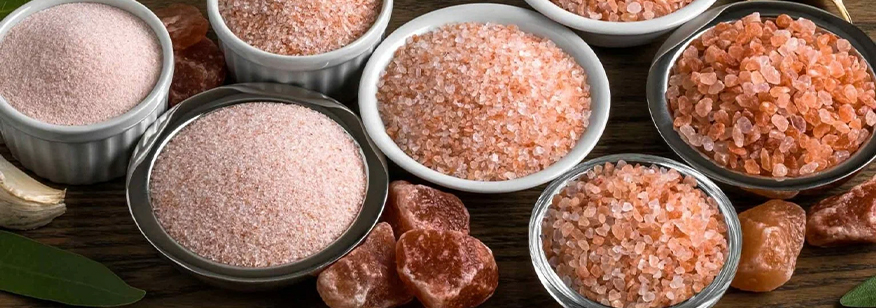
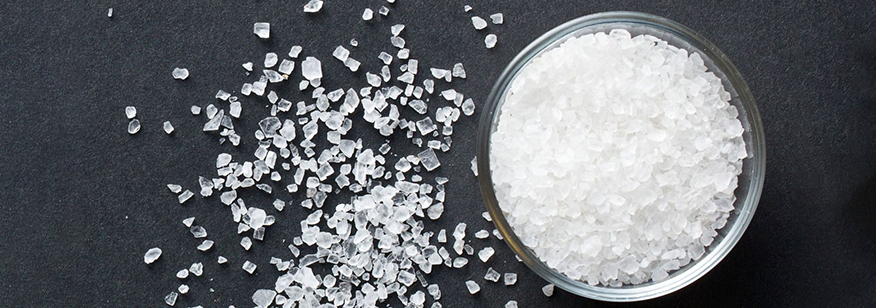
White rock salt is a natural, unrefined salt that comes in large crystals. It is typically mined from underground salt deposits and undergoes minimal processing. Unlike refined salt, rock salt retains trace minerals such as calcium, magnesium, and potassium.
Often associated with keywords like natural rock salt, unprocessed salt benefits, and mineral-rich salt, white rock salt is commonly used in cooking, food preservation, and even therapeutic applications like salt lamps and spa treatments. However, it usually does not contain added iodine, which can be a nutritional drawback.
Key Differences Between White Salt and White Rock Salt
1. Processing
White salt is heavily refined, while white rock salt is minimally processed and more natural.
2. Texture
Table salt has a fine, uniform texture, whereas rock salt has large, coarse crystals that require grinding before use in many recipes.
3. Taste
Although both provide a salty flavor, rock salt often has a milder, more complex taste due to its mineral content. Keywords like salt taste comparison and coarse vs fine salt are often searched by consumers exploring these differences.
4. Nutritional Value
White rock salt contains trace minerals, but iodized white salt provides essential iodine, which is crucial for thyroid health. This makes iodized vs non-iodized salt an important consideration for daily diets.
5. Uses
- White salt: ideal for baking, cooking, and table seasoning
- White rock salt: used in grinders, pickling, brining, and decorative purposes
Understanding these differences helps consumers choose the best salt for cooking and health.
Which Salt Is Better for Health?
The answer depends on your nutritional needs. Iodized white salt is essential for preventing iodine deficiency, making it a better choice for daily consumption, especially in regions where iodine intake is low.
On the other hand, white rock salt appeals to those seeking a more natural product with trace minerals. However, it should not completely replace iodized salt unless iodine is obtained from other dietary sources.
Search terms like healthy salt options, best salt for thyroid health, and is rock salt healthier than table salt reflect ongoing consumer interest. Ultimately, a balanced approach—using both types appropriately—can be beneficial.
Common Uses in Cooking and Industry
White Salt Uses:
- Baking and precise recipes
- Everyday cooking
- Table seasoning
White Rock Salt Uses:
- Grilling and salt crust cooking
- Ice cream making (traditional methods)
- Food preservation (pickling and curing)
- Decorative and therapeutic uses
Keywords like salt for cooking types, rock salt uses in food, and industrial salt applications emphasize their versatility. Rock salt is also widely used in de-icing and water softening, making it valuable beyond the kitchen.
Conclusion
Both white salt and white rock salt have their unique advantages. While refined white salt offers consistency and essential iodine, white rock salt provides a natural alternative with a distinct texture and mineral profile. Choosing between them depends on your cooking needs, health considerations, and personal preferences.
For optimal health and functionality, understanding the differences between table salt vs rock salt can help you make smarter, more informed decisions in your kitchen and daily life.
FAQs
1. What is the main difference between white salt and rock salt
White salt is refined and fine, while rock salt is natural and coarse with trace minerals.
2. Is rock salt healthier than white salt?
Rock salt contains minerals, but white salt provides iodine, which is essential for health.
3. Can I use rock salt for everyday cooking?
Yes, but it usually needs to be ground and may lack iodine.
4. Why is iodized salt important
It helps prevent iodine deficiency and supports thyroid function.
5. Which salt is best for baking?
White salt is preferred for baking due to its fine texture and consistent measurement.